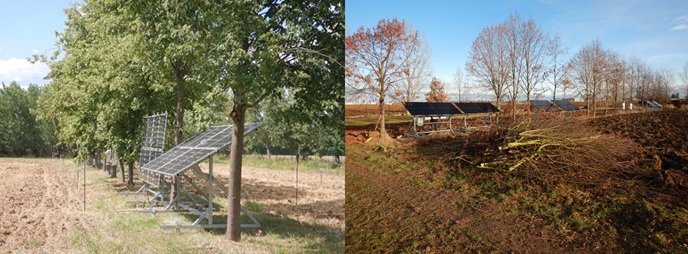
Permaculture is an internationally recognized sustainable agriculture model, which strategically integrates traditional and unconventional management practices in order to optimize delivery of ecosystem services. Permaculture combines crop diversification, perennialization and nature-sparing, which individually target different but overlapping beneficial ecosystem properties and processes. Permacultures may thus yield greater total ecosystem service delivery and resilience than systems which adopt these constituent techniques in isolation. Provisioning services such as crop yield and stability are often directly or indirectly influenced by regulating and supporting services such as pollination, nutrient cycling and refugia. The magnitude and direction of effects is dependent on genetic, management and environmental factors especially community and landscape composition and configuration. Permaculture may be particularly suited to fostering ecosystem services in low-input, degraded, marginal and least-profitable agricultural areas where effect sizes are most apparent.