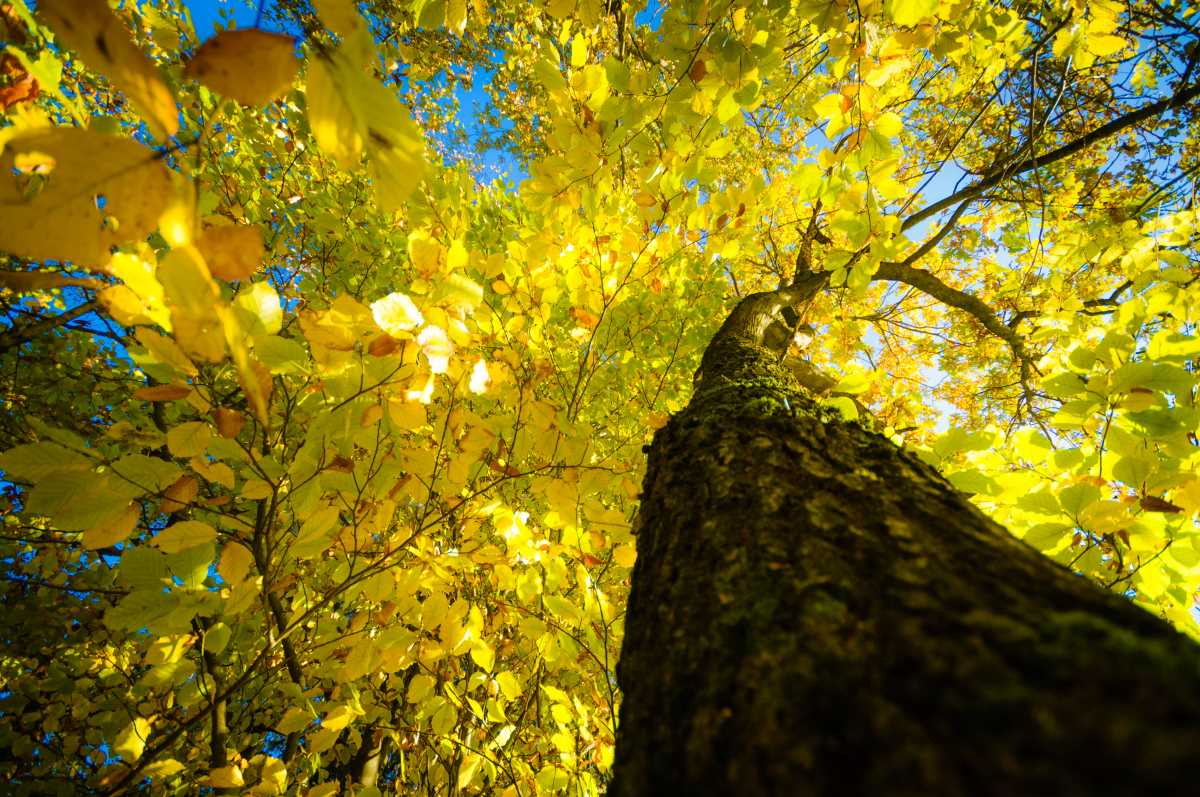
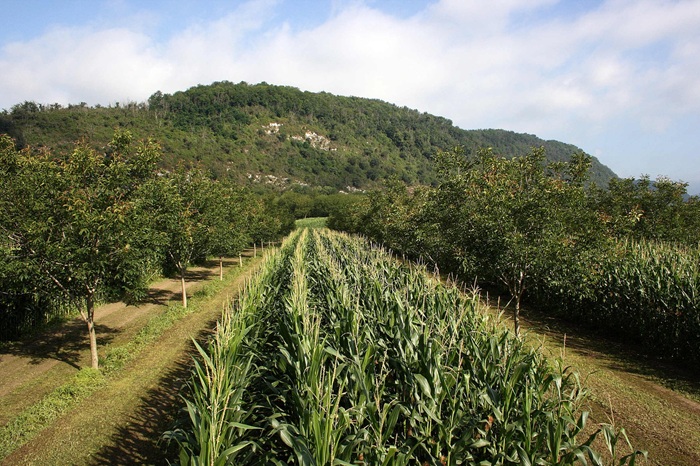
Forests are vital for sustaining biodiversity, mitigating climate change, and ensuring food security. To name a few examples, they provide wood, food and fuel, increase income and employment, prevent soil erosion, and regulate microclimates and water availability and quality. They therefore contribute to the objectives of the EU Bioeconomy and Forest Strategy, as well as the Sustainable Development Goals.
The world’s population is expected to increase to 9.7 billion in 2050, and the demand for food is expected to increase by 56%. By protecting and managing forests responsibly, we not only protect ecosystems and mitigate climate change, but also help the provision of food for our growing population.
Without forests, land degradation and erosion increase, crop yields decline – partly because of biodiversity loss-, water becomes scarcer and of poorer quality, and producing enough food for everyone becomes more difficult. Thriving, healthy forests must be at the heart of a sustainable global food system; through sustainable farming practices and forest management, agriculture can work in harmony with nature.
Forests around farms: rooted benefits
The Guidelines on biodiversity-friendly afforestation, reforestation and tree planting underlines the role of agroforestry in agricultural landscapes to preserve biodiversity, control pests, support pollinators, support nutrient and water cycles as well as to sequester carbon, etc.
In addition, integrating trees into agriculture aligns with the European Green Deal’s Farm to Fork Strategy, which aims to increase the proportion of farmland under organic farming to 25%, thereby benefiting agroforestry systems that have the potential to enhance the sustainability of organic farming. But how can trees and forests help?
Approximately 80% of EU crops depend on animal pollination. A study observed that the absence of insect pollination would result in a 25–32% reduction in the total production of pollination-dependent crops. Many of these pollinators inhabit forested areas, highlighting the vital role of forest fragments in preserving the pollinator community and, consequently, food production.
Forests and trees near agricultural areas can support natural predators of crop pests, such as the parasitoids of diamondback moth (Plutella xylostella) in Brussels sprout crops. So, having more complex landscapes surrounding the agricultural area, including forest fragments, could lower the dependency on pesticides.
Moreover, nitrogen-fixing trees improve soil fertility in agroforestry systems. They enrich the soil with nitrogen, an important nutrient for plant growth, and increase crop productivity.
Trees can also improve the microclimate conditions of crop fields. For instance, an alley-cropping agroforestry system involves planting rows of trees and shrubs on agricultural land. These trees have been shown to modify the microclimate by providing shade, acting as windbreaks, and helping to prevent soil erosion. When well-planned and managed, these changes can enhance crop growth and overall farm productivity.
Forests and agriculture can coexist, and agroforestry can be one solution for food security and production. Due to its combined economic and environmental benefits and potential for diversifying food production, agroforestry has regained interest in Europe. However, the transition to a more sustainable food system that is more resilient to climate change will also depend on how practitioners and policymakers consider the role of trees.
Agroforestry: integrating trees into agriculture
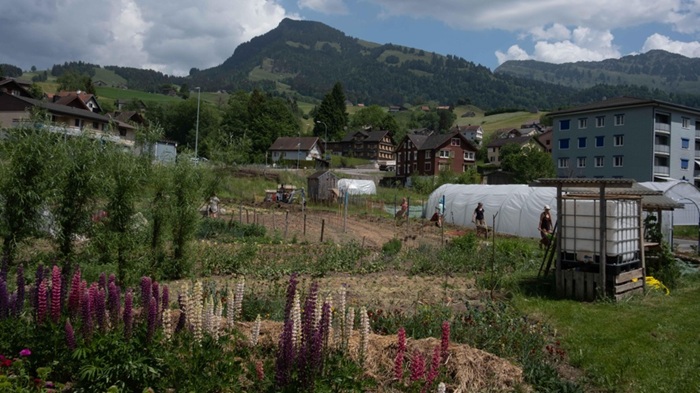
Agroforestry has been a part of Europe’s agricultural history for centuries – and still is, with farmers traditionally integrating trees into their farming landscapes. However, modernisation and the rise of mechanised farming led to a shift from these multi-purpose land-use systems to modern monocultures. Today, we recognise that trees within agricultural landscapes provide essential ecosystem services. These traditional practices, now enhanced with contemporary knowledge and technology, could hold the key to achieving environmental sustainability in food production.
But what exactly is agroforestry?
…